Bumpy Skin on Your Bum: What Is Keratosis Pilaris and How to Get Smoother Skin?
Have you ever run your hand over your bum and noticed tiny bumps or a rough, uneven texture?
You're definitely not alone. Small bumps on the buttocks are extremely common and can be caused by several different things. One of the most common is keratosis pilaris, a harmless skin condition often described as "chicken skin".
Keratosis pilaris can make the skin feel rough and uneven, particularly on areas such as the buttocks, thighs and upper arms. The good news is that with a consistent body-care routine, you can help improve the appearance and texture of your skin.
Let's take a closer look at what causes these bumps and how to build a simple routine for smoother-looking skin.
What Is Keratosis Pilaris?
Keratosis pilaris occurs when keratin, a protein naturally found in the skin, builds up around hair follicles.
This can create tiny, rough bumps that may look skin-coloured, pink or slightly darker than the surrounding skin. For some people, the bumps can also leave the skin looking uneven or textured.
Keratosis pilaris commonly appears on:
- The buttocks
- The thighs
- The backs of the arms
- Sometimes the cheeks
It is generally harmless and isn't caused by poor hygiene.
For many people, keratosis pilaris tends to come and go, and while there isn't a permanent cure, its appearance can often be managed with the right skincare routine.
Why Do I Have Little Bumps on My Bum?
There isn't always one single cause.
Keratosis pilaris can have a genetic component, meaning some people are simply more prone to developing it. Dry skin can also make the texture more noticeable.
However, not every bump on the bum is keratosis pilaris.
If the bumps are particularly red, painful, itchy, swollen or contain pus, they may be related to folliculitis, which is inflammation around the hair follicles. Friction, sweating, shaving and other factors can contribute to folliculitis.
If you're unsure what is causing your bumps, especially if they are persistent or uncomfortable, consider speaking with a GP, pharmacist or dermatologist.
Keratosis Pilaris vs. "Strawberry Skin"
You may have heard the term "strawberry skin" used to describe small dark dots around hair follicles.
Although the terms are sometimes used interchangeably online, they don't necessarily describe exactly the same skin concern.
"Strawberry skin" is commonly used to describe visible dark or red follicular dots, while keratosis pilaris refers specifically to the build-up of keratin around hair follicles.
Either way, a gentle routine focused on exfoliation and hydration can help improve the overall appearance and texture of the skin.
How to Get Smoother Skin on Your Bum
The key is not to scrub harder.
When dealing with bumpy skin, aggressive exfoliation can irritate the skin and potentially make redness and uneven pigmentation more noticeable.
Instead, think of your routine in three simple steps:
Exfoliate → Renew → Hydrate
1. Exfoliate Gently
A body scrub can help remove dead skin cells from the surface and leave the skin feeling softer.
The Rosa Selvagem Sugar Scrub can be incorporated into a body-care routine to gently exfoliate the skin while leaving it feeling smooth and refreshed.
When exfoliating your bum:
- Use gentle circular movements.
- Avoid applying excessive pressure.
- Don't exfoliate irritated or broken skin.
- Start a few times per week rather than exfoliating every day.
The goal is to care for your skin, not to scrub the bumps away.
2. Add a Salicylic Acid Treatment
For rough, congested skin, chemical exfoliation can be particularly useful.
Salicylic acid is a beta hydroxy acid (BHA) that can help exfoliate the skin and penetrate into the lining of pores and hair follicles.
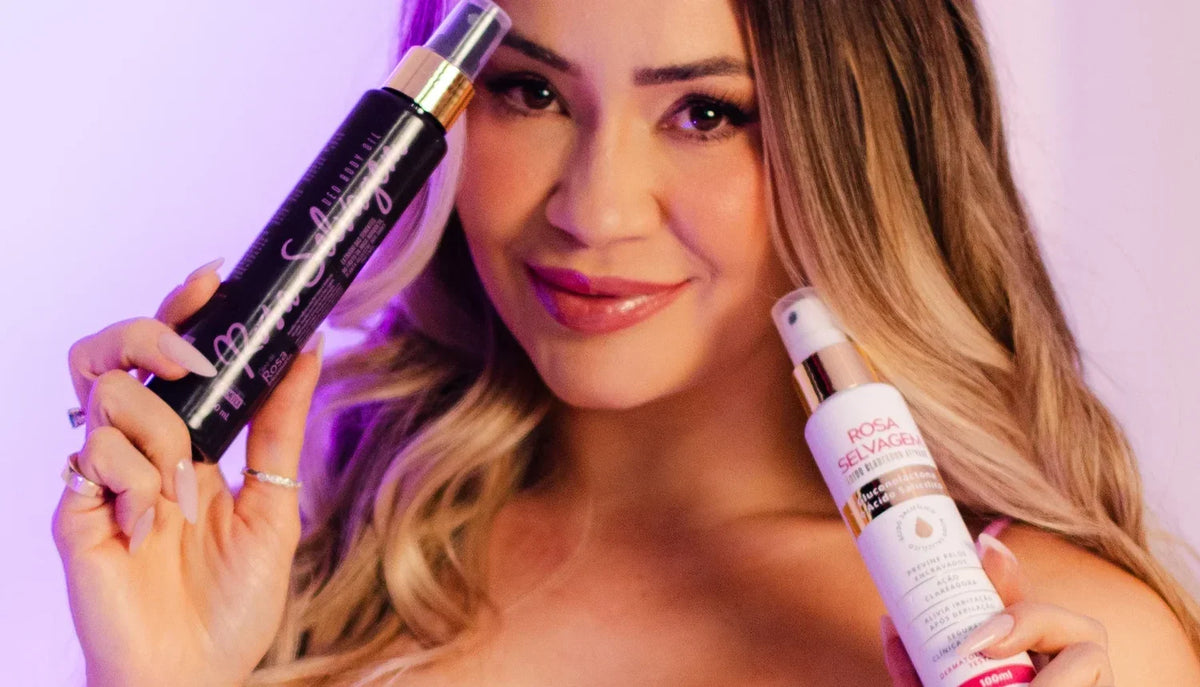
The Rosa Selvagem Brightening Acid contains salicylic acid and can be used as part of a targeted body-care routine to help improve the appearance of uneven texture and dark marks.
Because salicylic acid can be irritating for some people, introduce it gradually and follow the product's directions carefully.
Important: If you are pregnant or breastfeeding, speak with your healthcare professional before using salicylic acid products.
3. Don't Forget to Moisturise
Exfoliation should always be balanced with hydration.
When your skin becomes dry, roughness can become more noticeable. A nourishing body oil can help soften the feel of the skin and support a smoother-looking finish.
The Rosa Selvagem Brightening Body Oil can be used as the final step of your body-care routine, helping to moisturise and leave the skin feeling soft and comfortable.
Apply it after cleansing and gently massage it into the skin until absorbed.
A Simple Routine for Smoother-Looking Skin
You don't need a complicated routine to take better care of your bum.
Try this simple approach:
A few times a week
Start with a gentle body exfoliation using your Rosa Selvagem Sugar Scrub.
On treatment days
Apply your salicylic acid body treatment to clean, dry skin, following the product instructions.
Every day
Keep your skin moisturised with a nourishing body oil.
Always
Avoid picking, squeezing or scratching the bumps.
Squeezing the follicles can cause irritation and may increase the risk of post-inflammatory marks.
How Long Does It Take to See Results?
Skincare requires consistency.
You may notice that your skin feels softer relatively quickly after exfoliation and moisturisation. However, changes in the appearance of bumps, uneven texture and dark marks can take longer.
Give your routine time and avoid constantly switching products.
A consistent routine over several weeks is generally more useful than aggressive treatments used occasionally.
Mistakes to Avoid When Treating Bum Bumps
Over-exfoliating
More exfoliation doesn't necessarily mean smoother skin. Scrubbing too frequently can compromise the skin barrier and cause irritation.
Picking at the bumps
It can be tempting, but squeezing or scratching can lead to inflammation and marks.
Using too many active ingredients
Combining several strong exfoliating products at once may irritate the skin. Introduce one active product at a time.
Forgetting moisturiser
Exfoliation without adequate hydration can leave the skin feeling dry and uncomfortable.
Can Keratosis Pilaris Be Cured?
There is currently no permanent cure for keratosis pilaris, but it can often be managed effectively.
The appearance of the bumps may improve with consistent skincare, particularly routines that combine gentle exfoliation with moisturisation.
It's also normal for keratosis pilaris to improve and then become more noticeable again. The goal is to maintain a routine that keeps your skin feeling comfortable and looking smoother.
When Should You See a Professional?
Not every bump on the bum is keratosis pilaris.
Consider speaking with a healthcare professional if your skin is:
- Painful
- Very red or swollen
- Producing pus
- Extremely itchy
- Getting worse despite your skincare routine
- Leaving significant or persistent marks
A healthcare professional can help determine whether you're dealing with keratosis pilaris, folliculitis, acne or another skin condition.
The Secret to Smoother-Looking Skin? Consistency.
Getting smoother-looking skin doesn't require harsh scrubbing or an endless collection of products.
A simple routine focused on gentle exfoliation, targeted renewal and daily hydration can make a noticeable difference to the way your skin feels and looks over time.
If you're ready to give your body-care routine a little upgrade, explore the Rosa Selvagem collection at IDA Beauty UK and create a routine designed around smoother, softer-looking skin.
From sugar scrubs to targeted body treatments and nourishing oils, the right combination can help you take better care of your skin every day.
Frequently Asked Questions
What causes small bumps on the bum?
Small bumps can have several causes, including keratosis pilaris, folliculitis, acne, friction and irritation. The appearance and symptoms can help distinguish between them.
Is keratosis pilaris on the bum normal?
Yes. Keratosis pilaris is common and harmless. It often appears as small, rough bumps around hair follicles.
What is the best acid for bumps on the bum?
Salicylic acid is commonly used to exfoliate and help unclog hair follicles. However, everyone's skin is different, so introduce active ingredients gradually and follow product instructions.
Can I scrub keratosis pilaris away?
Gentle exfoliation can help improve skin texture, but aggressive scrubbing is not recommended. Over-exfoliation may irritate the skin and make the problem more noticeable.
How often should I exfoliate my bum?
Start with a few times per week and adjust according to how your skin responds. Avoid exfoliating irritated, broken or inflamed skin.
How can I get a smoother bum?
A consistent routine combining gentle exfoliation, an appropriate body treatment and regular moisturisation can help improve the appearance and feel of bumpy, rough skin.
Can keratosis pilaris leave dark marks?
The bumps themselves can be accompanied by uneven pigmentation, and irritation or picking can make dark marks more noticeable. Avoid squeezing the skin and focus on gentle, consistent care.